


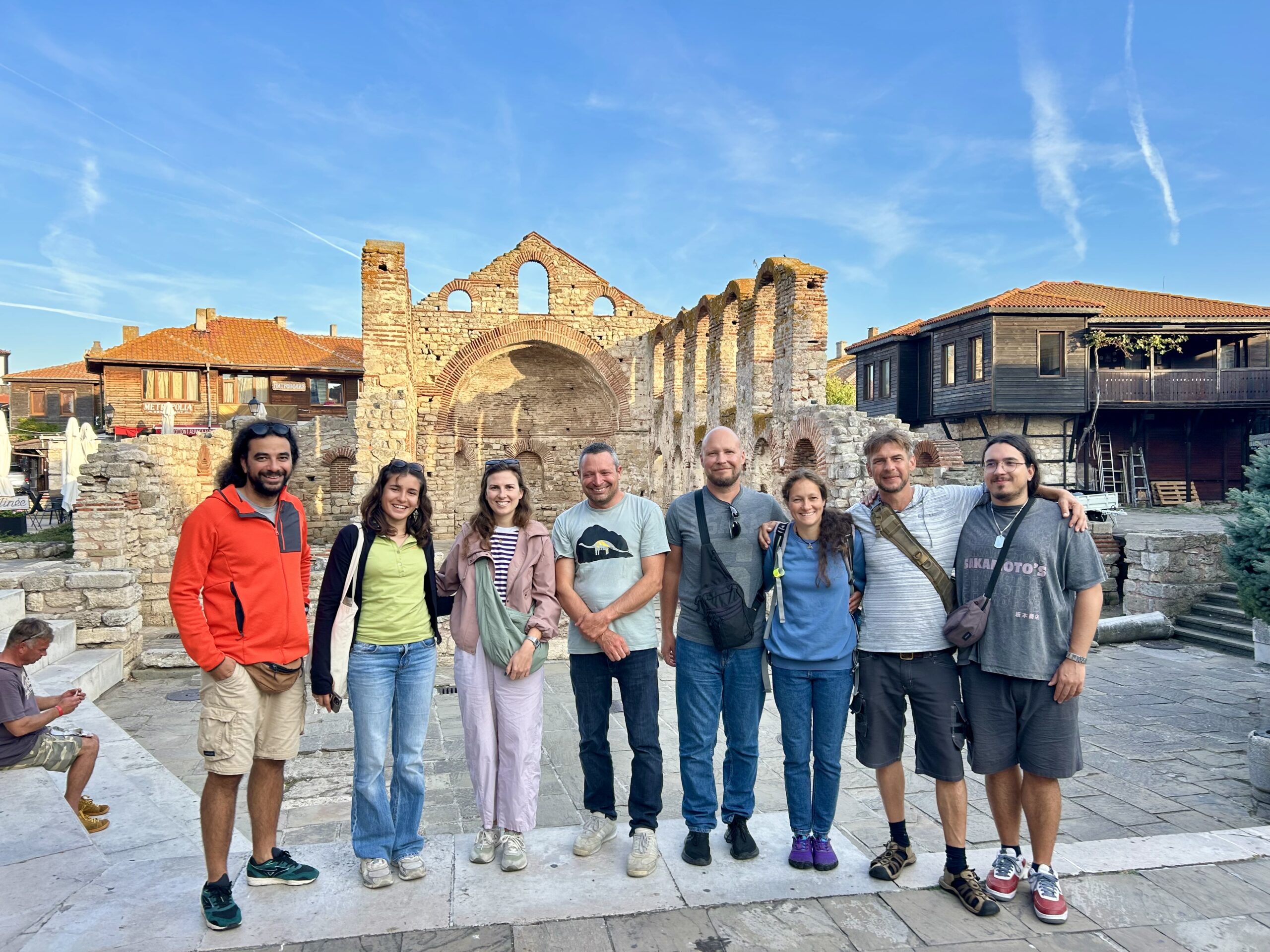
Six participants from Ukraine, Türkiye and Romania completed an intensive training programme combining underwater archaeological fieldwork, lectures, practical workshops and professional knowledge exchange.
From 4 to 16 October, the Regional Field School in Underwater Archaeology – Training and Capacity Building for the Black Sea and Lower Danube Regions, organised by the Underwater Heritage Institute (UHI), took place in Sozopol.
This was the first regional training initiative organised by the Institute since becoming a UNESCO Category 2 Centre. The field school is part of UHI’s efforts to strengthen professional capacity in underwater archaeology, promote the exchange of knowledge and technologies, and build lasting cooperation among specialists from the Black Sea and Lower Danube regions.
This year’s programme brought together six early-career specialists from Ukraine, Türkiye and Romania. The training was tailored to their previous experience and professional interests, combining theoretical instruction with practical activities and participation in ongoing archaeological research.
Field training
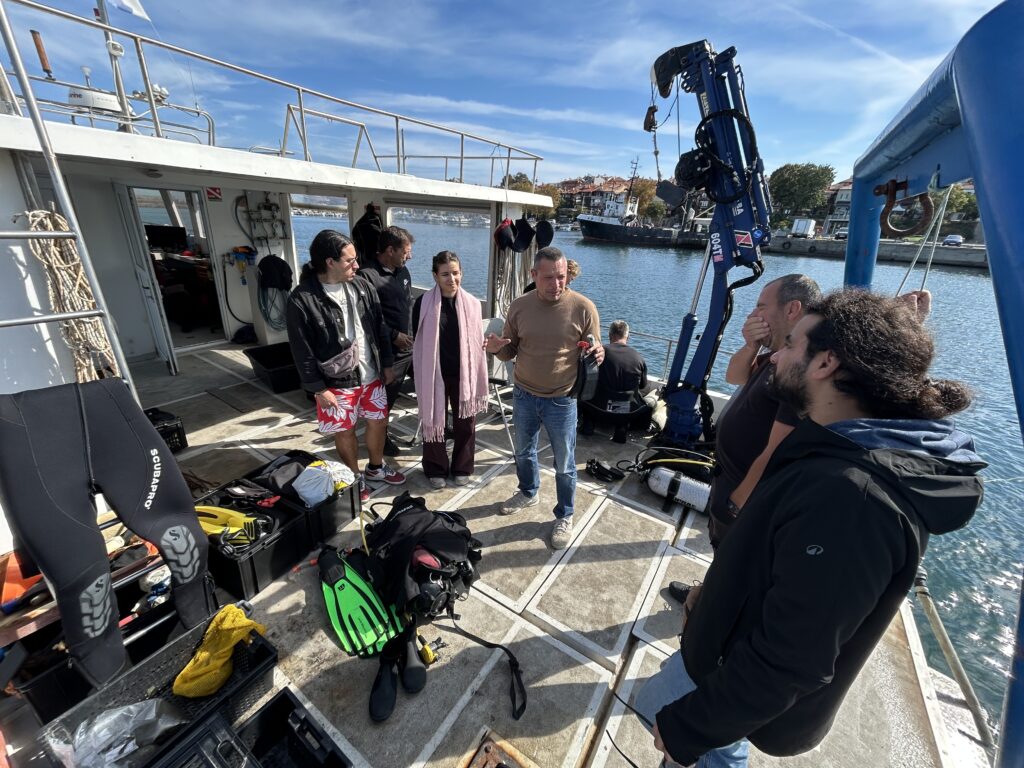
A major part of the practical training took place in the waters of Sozopol Harbour. Here, the UHI team continues its investigations of a submerged prehistoric settlement, providing participants with an opportunity to gain first-hand experience of the methods and challenges of underwater archaeology.
For the three participants from Ukraine, the programme also included scuba diving training. After completing the course, they had the opportunity to make their first dives at the archaeological site and observe the work of underwater archaeologists in a real fieldwork environment.
The other three participants – two from Türkiye and one from Romania – took part directly in the underwater archaeological excavations, diving and working alongside the Institute’s team. This approach is an essential part of the field school’s philosophy. Participants observe and engage in the actual process of archaeological research – from fieldwork and the documentation of finds to the processing and interpretation of the collected data.
New topics and technologies in this year’s programme
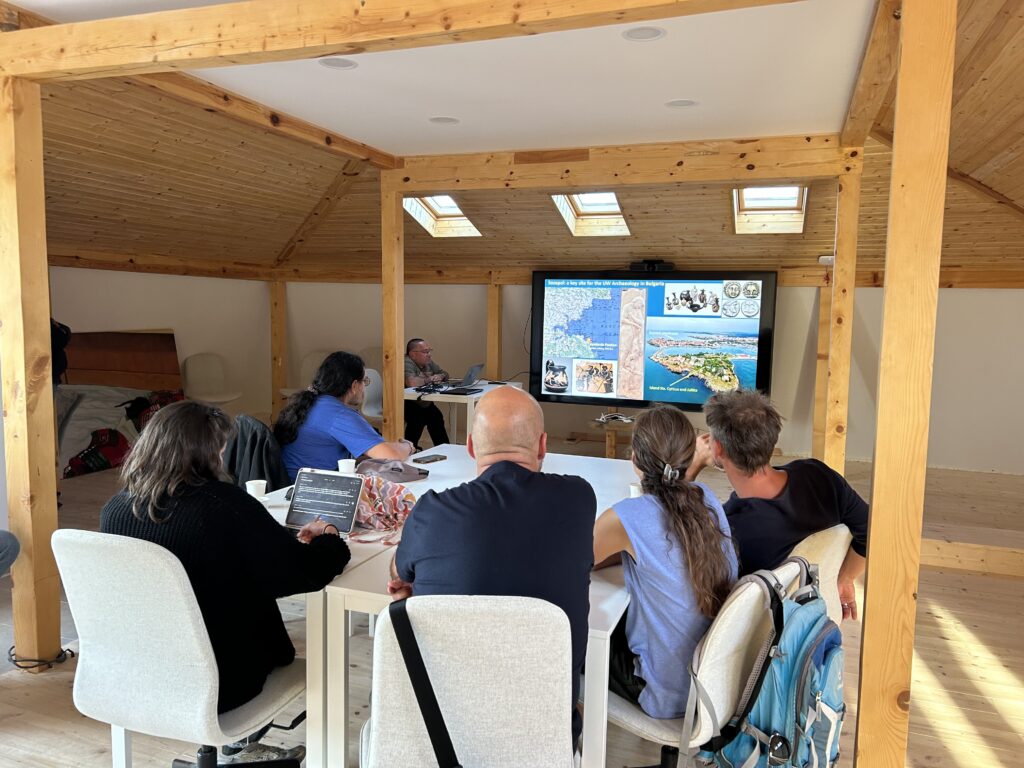
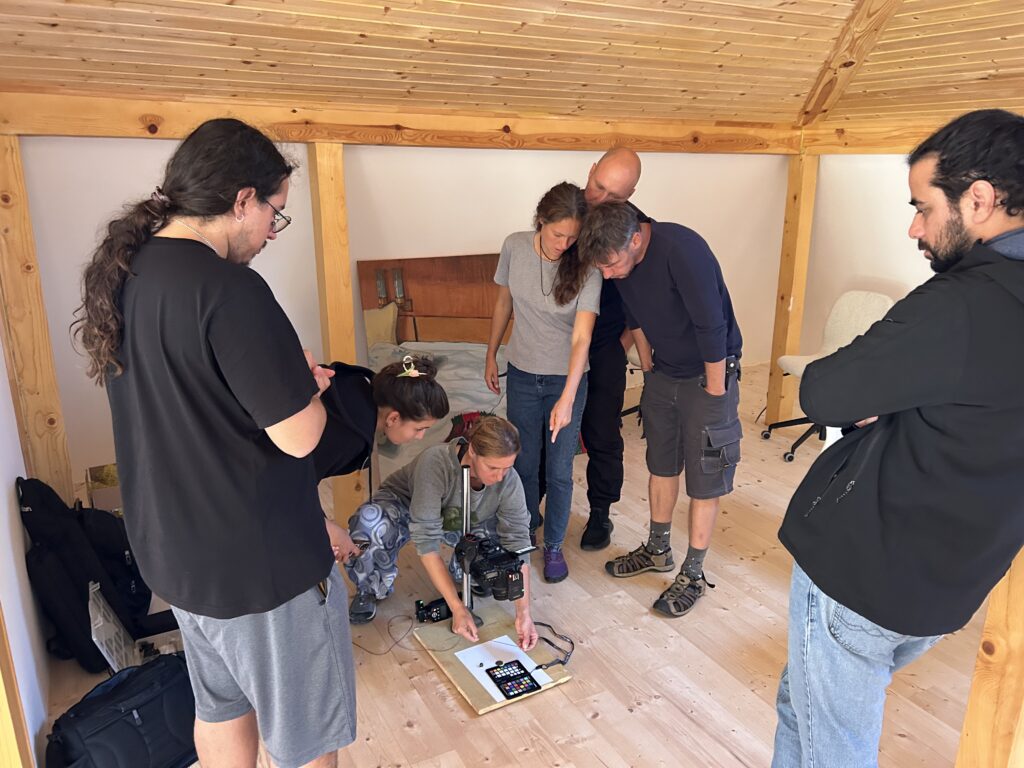
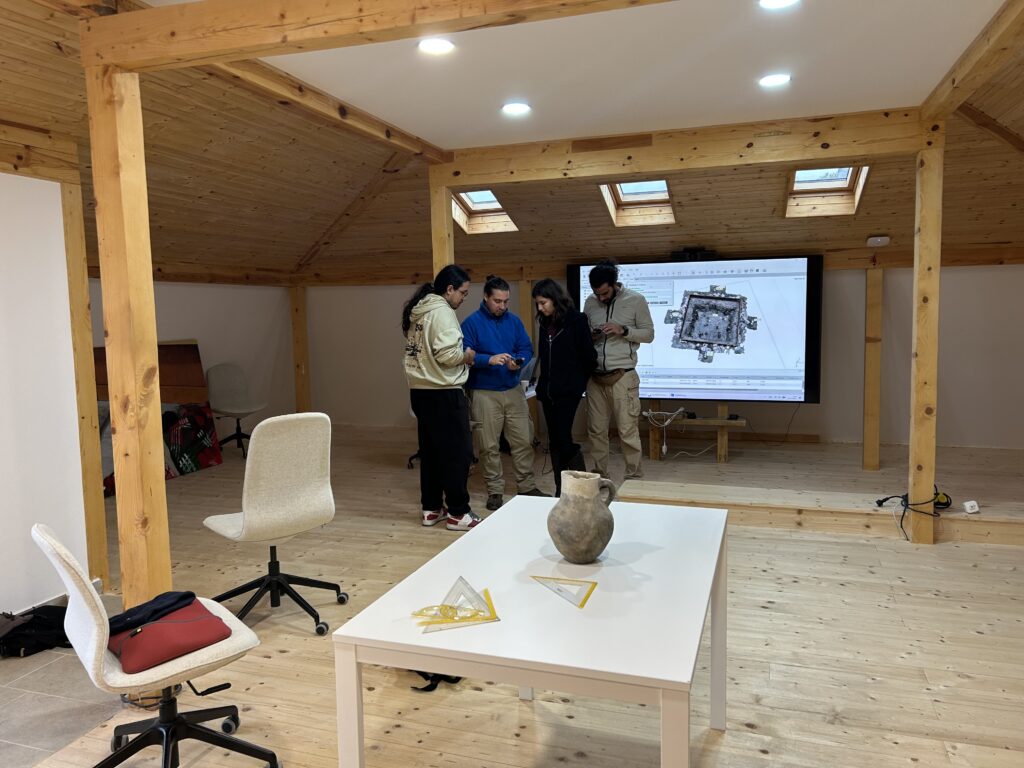
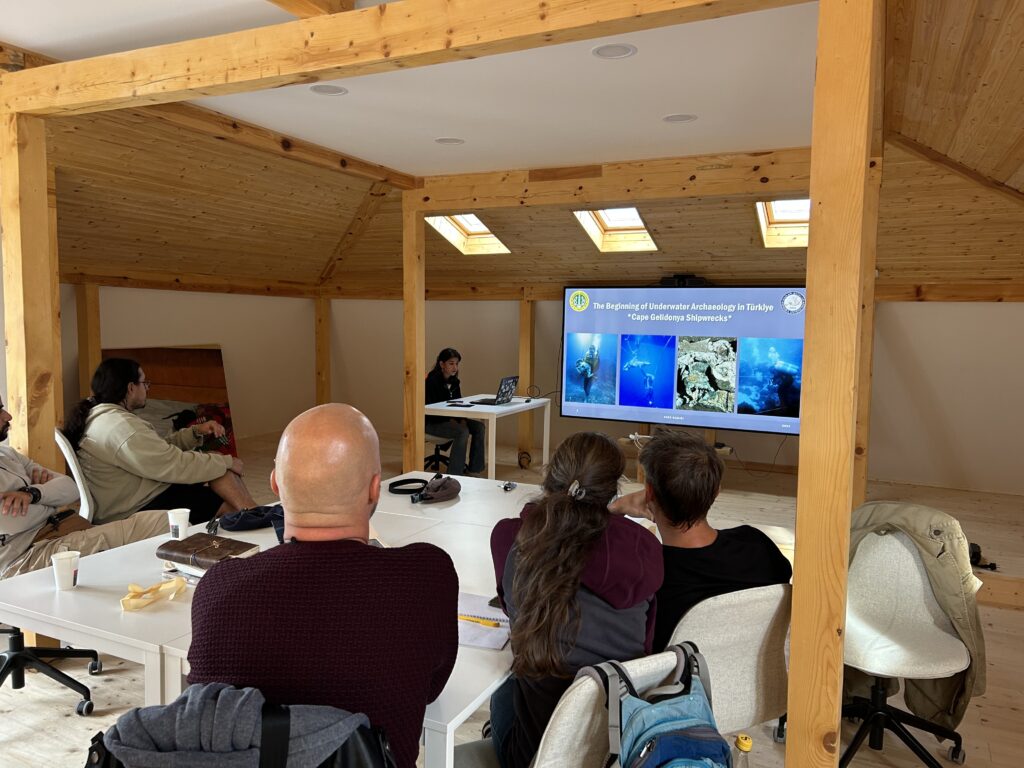
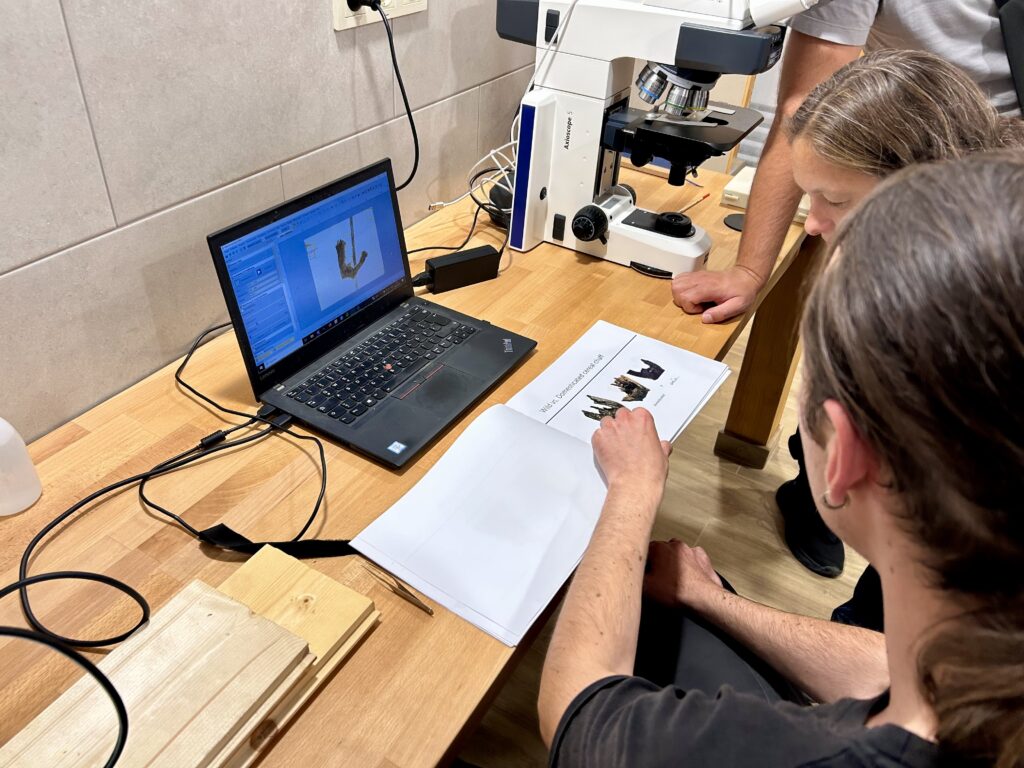
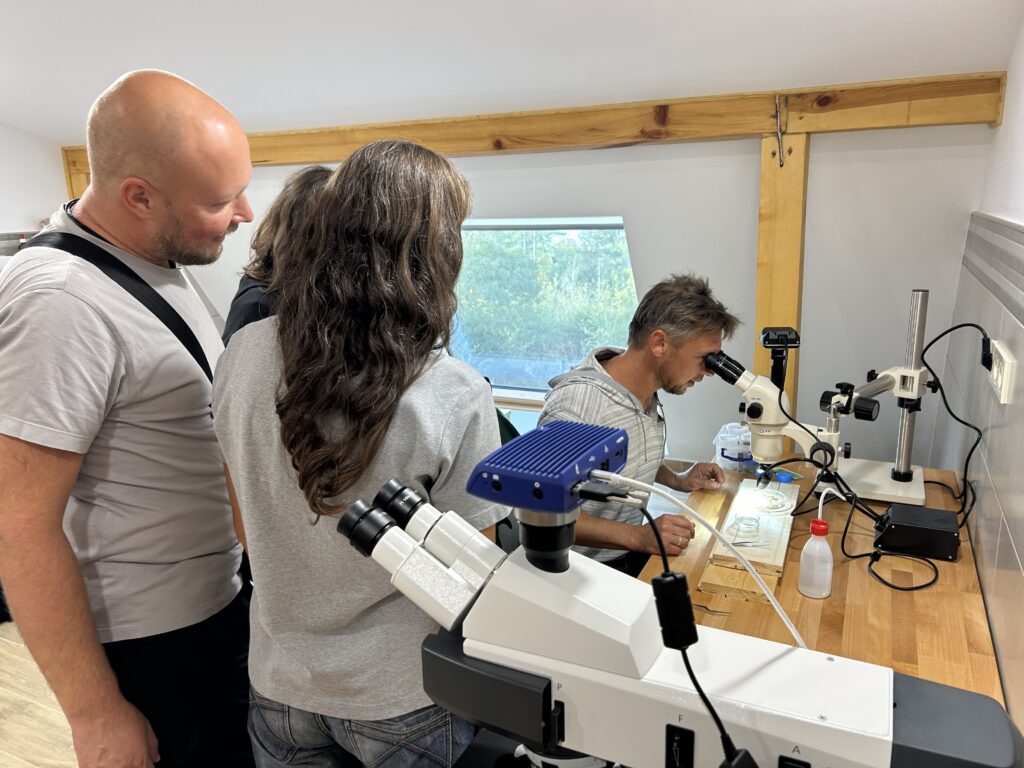
The two weeks of training were filled with diving activities, lectures, demonstrations and practical workshops. The programme covered key areas of contemporary underwater archaeology, including marine geophysical surveys, underwater photography and photogrammetry, 3D documentation, archaeological excavation, and methods for studying and documenting archaeological materials. Participants were also introduced to Reflectance Transformation Imaging (RTI) and the use of underwater dredges in archaeological excavations.
This year, the programme was enriched with three new components.
The first was the lecture “Maritime Zones under UNCLOS and Their Significance for Underwater Cultural Heritage”, delivered by Dr Zornitsa Grekova, Deputy Minister of Culture. The lecture introduced participants to the different maritime zones defined under the United Nations Convention on the Law of the Sea and their significance for the legal framework, research and protection of underwater cultural heritage.
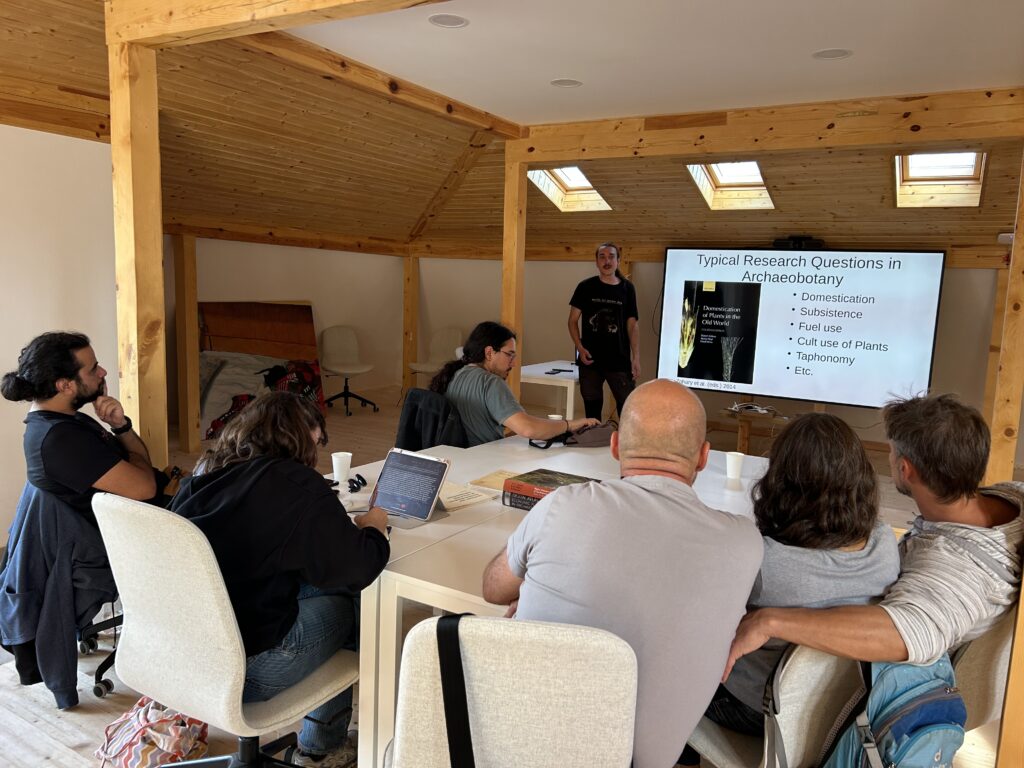
The second new topic was archaeobotany – a scientific discipline that studies plant remains from archaeological sites, providing valuable information about the natural environment, economy and everyday life of past societies. The topic was presented by Georgi Dankov, a PhD student at the University of Tübingen, Germany, and a UHI collaborator.
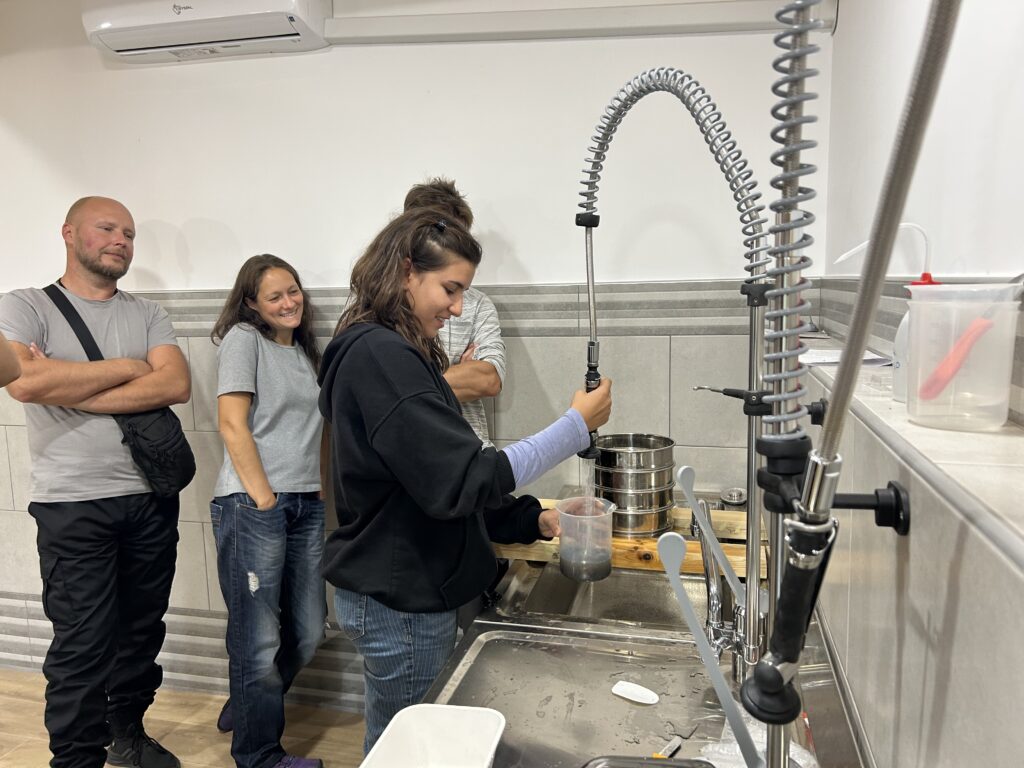
Following the theoretical session, participants visited the Institute’s new laboratory, where the flotation method was demonstrated – a technique used to separate plant remains and other light organic materials from archaeological samples using water. Each participant had the opportunity to try the method and learn about its applications in archaeological research.
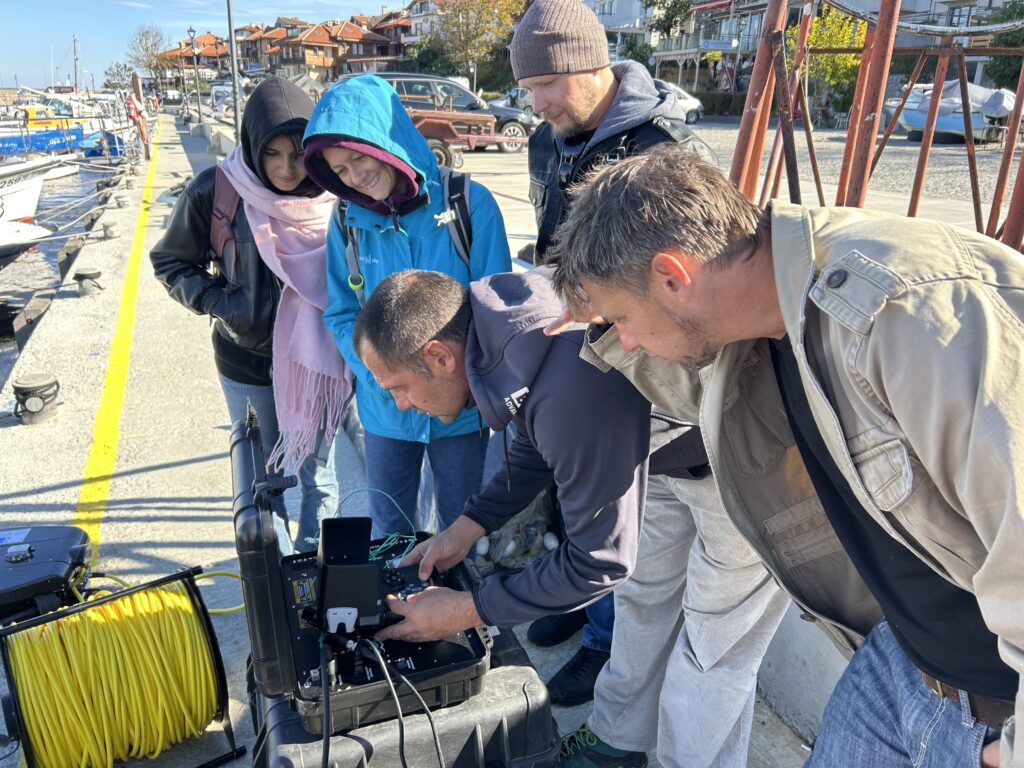
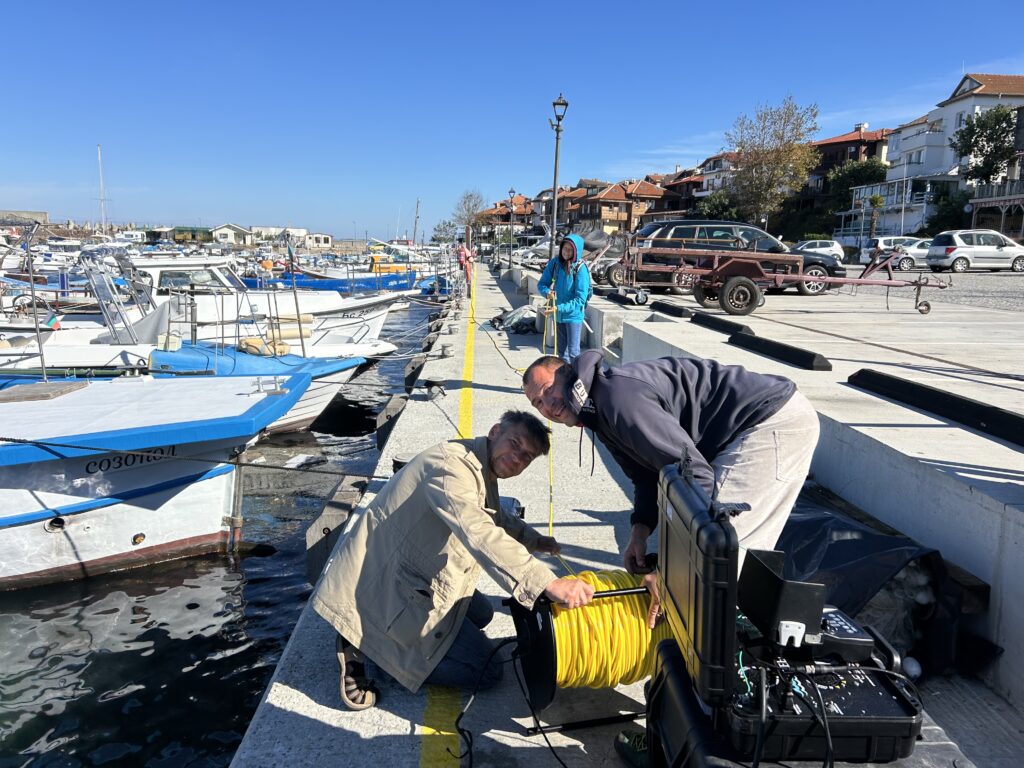
The third addition was a demonstration of a remotely operated underwater vehicle (ROV), conducted by maritime archaeologist Viktor Dimitrov from the UHI team. Participants were introduced to the capabilities of this technology for underwater observation, surveying and documentation of archaeological sites, including locations where diving operations are difficult.
International exchange and strengthening partnerships
An important objective of the regional field school is not only to provide new skills but also to establish professional connections that continue beyond the training programme.
The two participants from Türkiye represented Istanbul University, with which the Underwater Heritage Institute is developing increasingly close cooperation in underwater archaeology and cultural heritage preservation.
The participant from Romania joined the training for the second consecutive year, building on the knowledge and practical skills acquired during last year’s seminar.
The participation of the three Ukrainian specialists was particularly significant. Their newly acquired diving skills will enable them to participate more actively in underwater archaeological research in Ukraine. This also opens up new opportunities for joint research, professional exchange and cooperation between UHI and Ukrainian institutions working in the field of underwater cultural heritage.
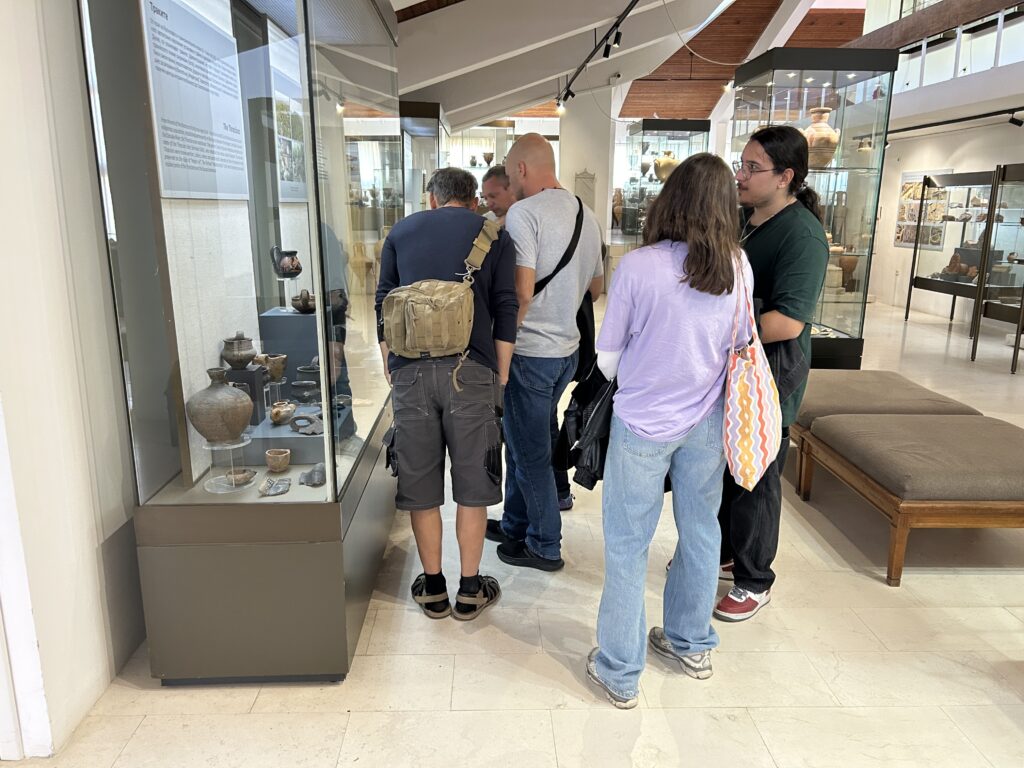
The programme also included visits to Sozopol and Nessebar, where participants explored the rich archaeological heritage of the Bulgarian Black Sea coast.
Regional cooperation begins with people
The regional field school demonstrated the importance of combining scientific theory, practical skills and direct field experience in underwater archaeology training. For the participants, it was an opportunity not only to learn about the methods and technologies used by Bulgarian underwater archaeologists but also to become part of an international professional community.
Organising such training programmes is among the key responsibilities of the Underwater Heritage Institute as a UNESCO Category 2 Centre. Through these initiatives, UHI aims to support the training of a new generation of specialists, encourage the exchange of expertise and create opportunities for future joint projects in the Black Sea and Lower Danube regions.
We would like to thank all participants, lecturers, instructors and members of the UHI team who contributed to this year’s field school. We hope that the professional connections established during the programme will develop into long-term partnerships and new joint initiatives for the research and protection of underwater cultural heritage.