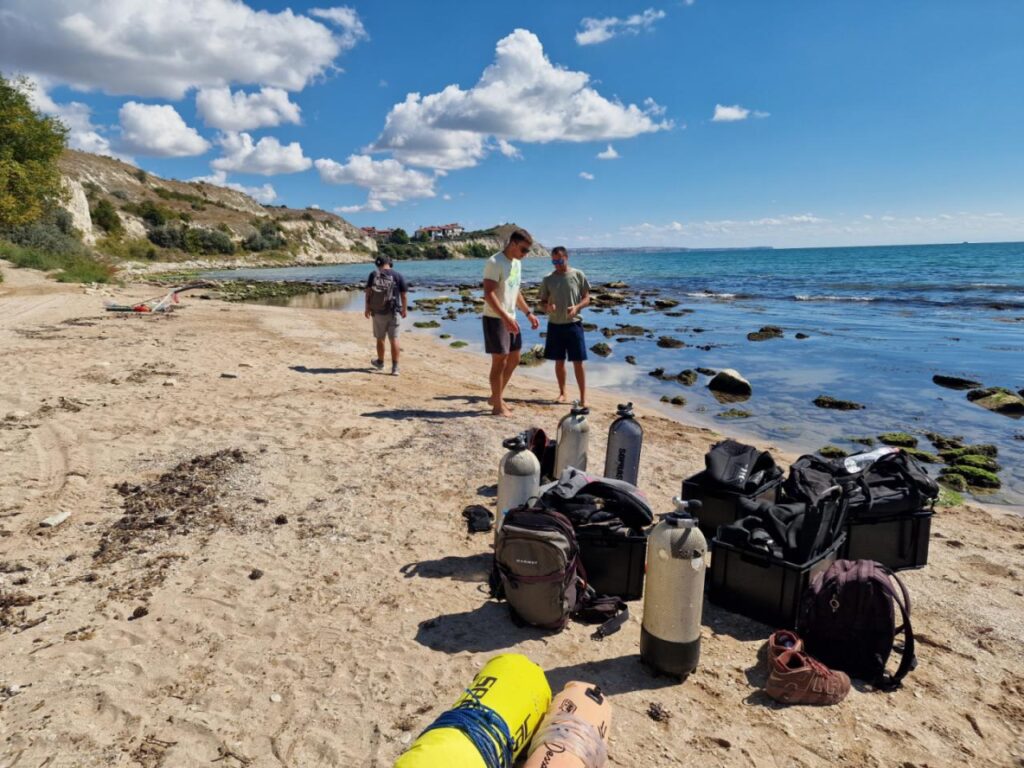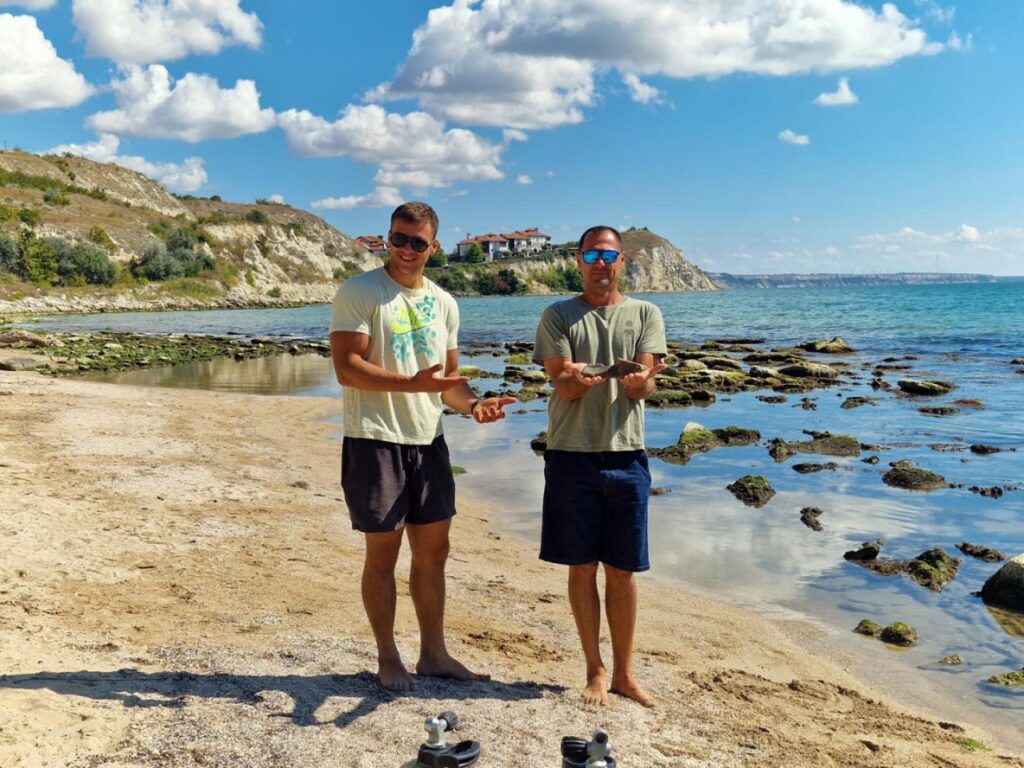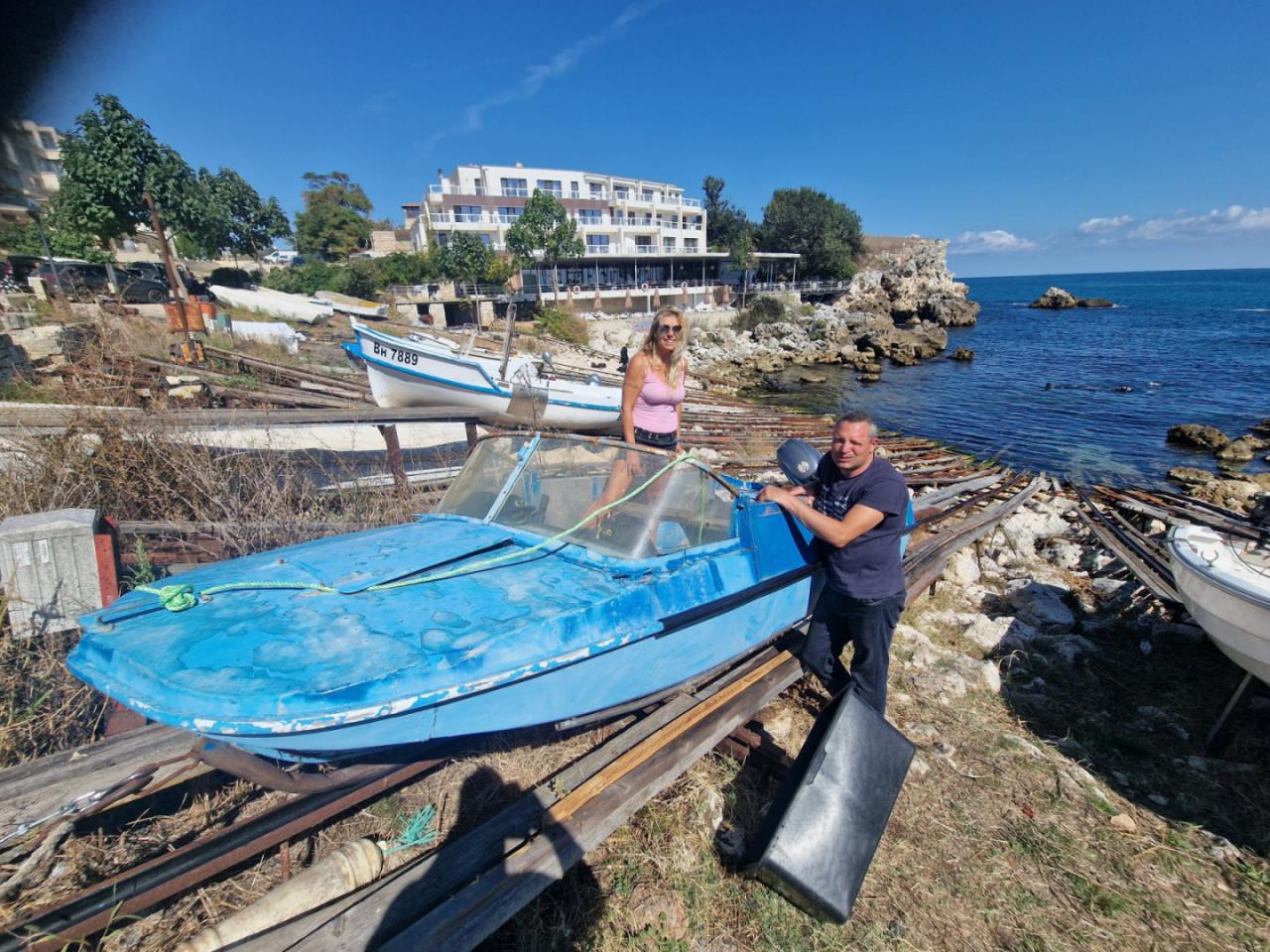
In the calendar of underwater archaeological research, September is traditionally the month of the North.
Underwater archaeology along the northern Bulgarian Black Sea coast — in the waters of Kavarna and Shabla — is among the most challenging for the team of the Underwater Heritage Institute. The coast here is exposed, sheltered bays are few, and strong winds and waves often limit work with vessels. The sea constantly reshapes the underwater landscape — revealing and then covering again with sand the remains of shipwrecks and other traces of human presence.
And yet, the North always brings its gifts.
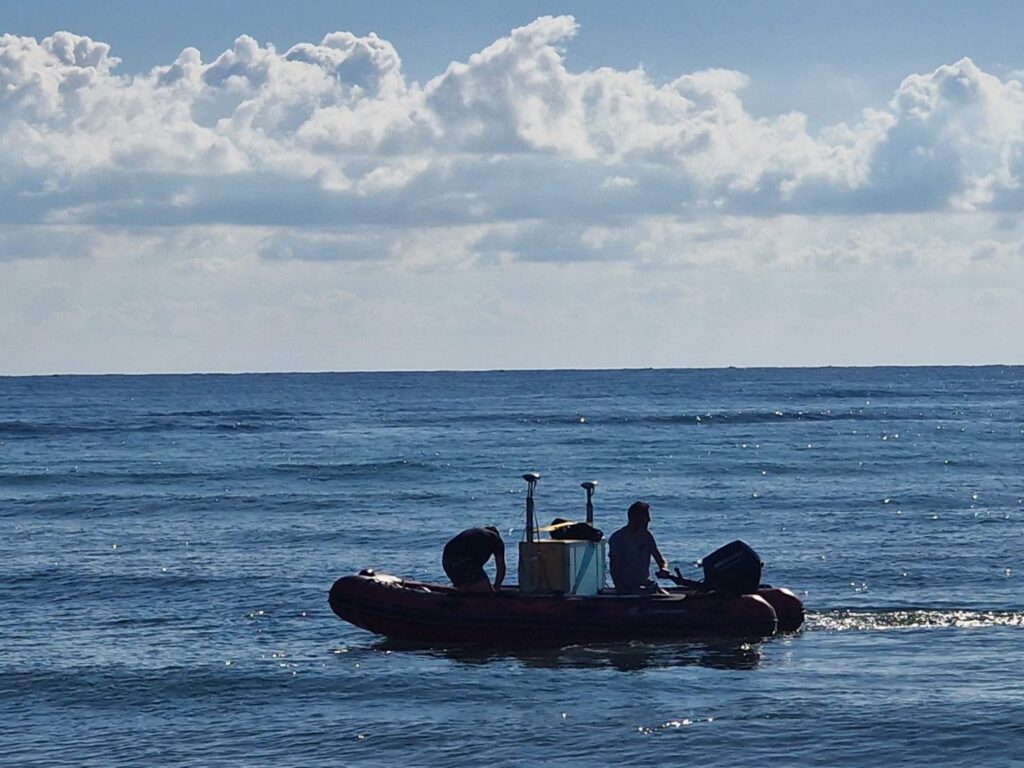
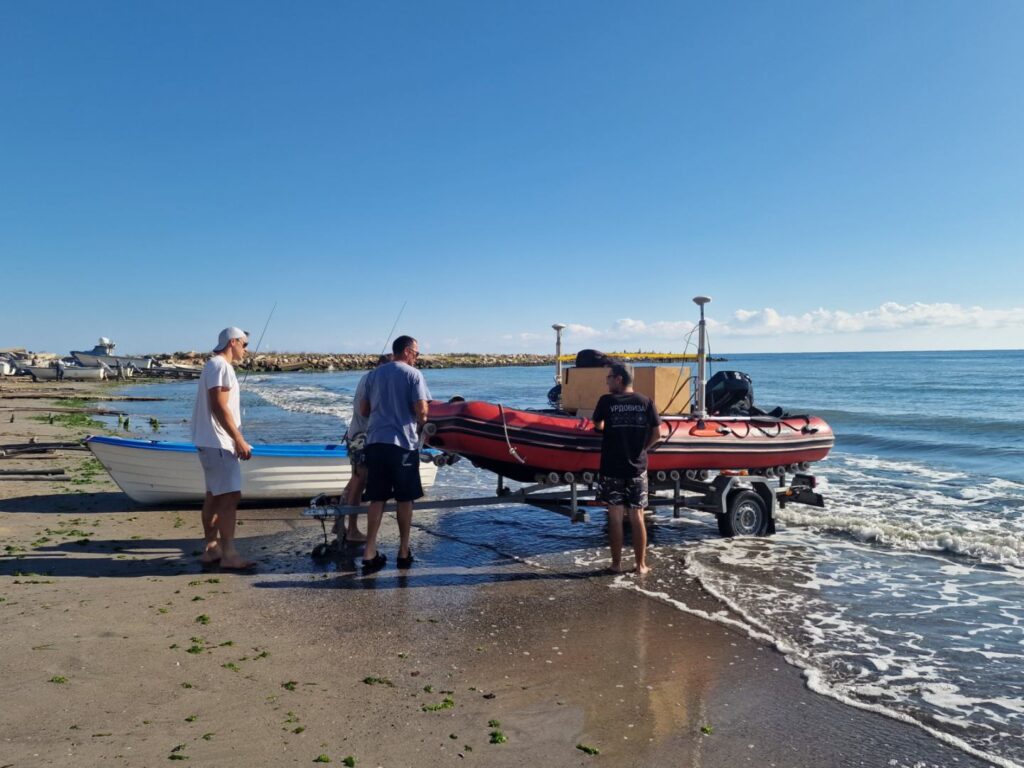
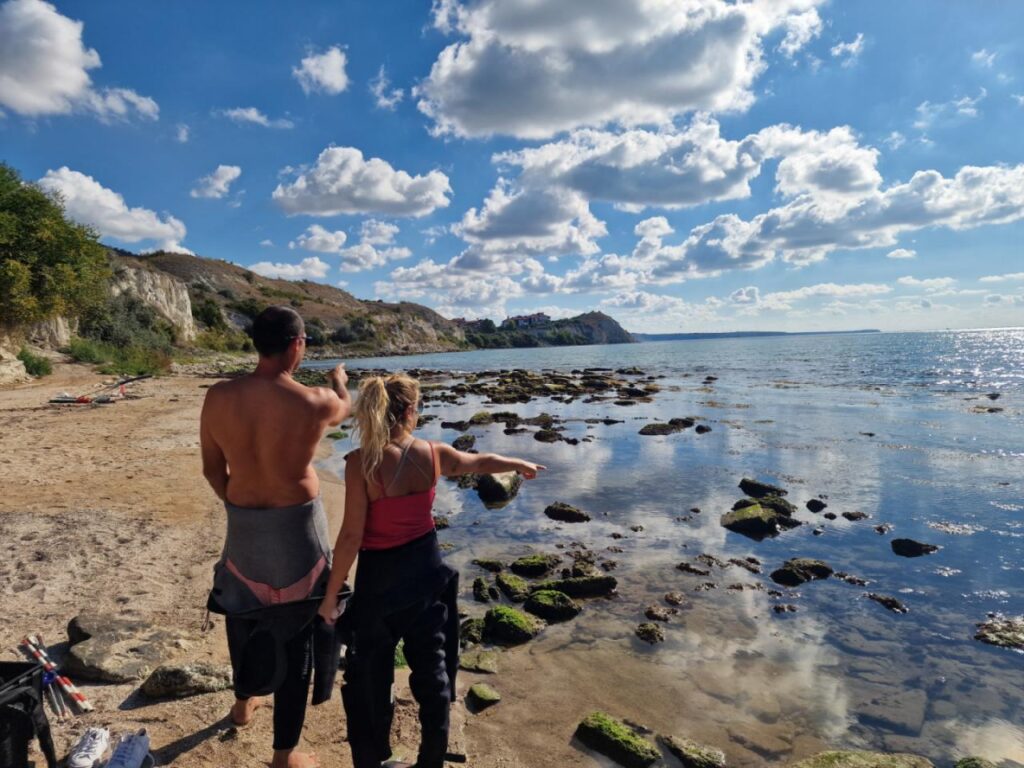
This September, we carried out geophysical surveys in the waters of Karon Limen — the harbour of ancient Caria — as well as in Lake Shabla, where evidence of prehistoric and ancient finds has been recorded. We conducted diving inspections in previously unexplored areas and added new points to the map of the underwater cultural heritage of the Northern Black Sea coast. We also located and recovered a cannon from a sunken vessel, discovered by a local diver — another trace of the rich and still insufficiently known maritime history of this coast.
The study of this difficult-to-access region is particularly important. The short periods of favourable conditions limit the possibilities for systematic work, which is why every new piece of information, every documented site and every newly explored area of seabed expands our knowledge of the past of the Northern Black Sea coast.
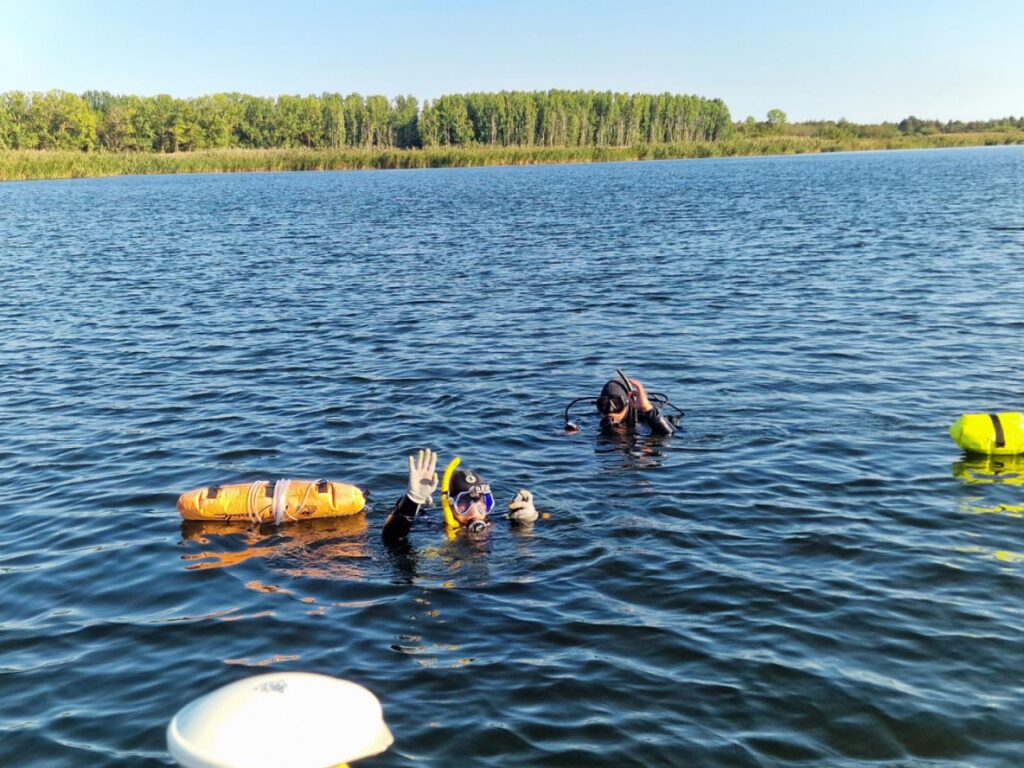
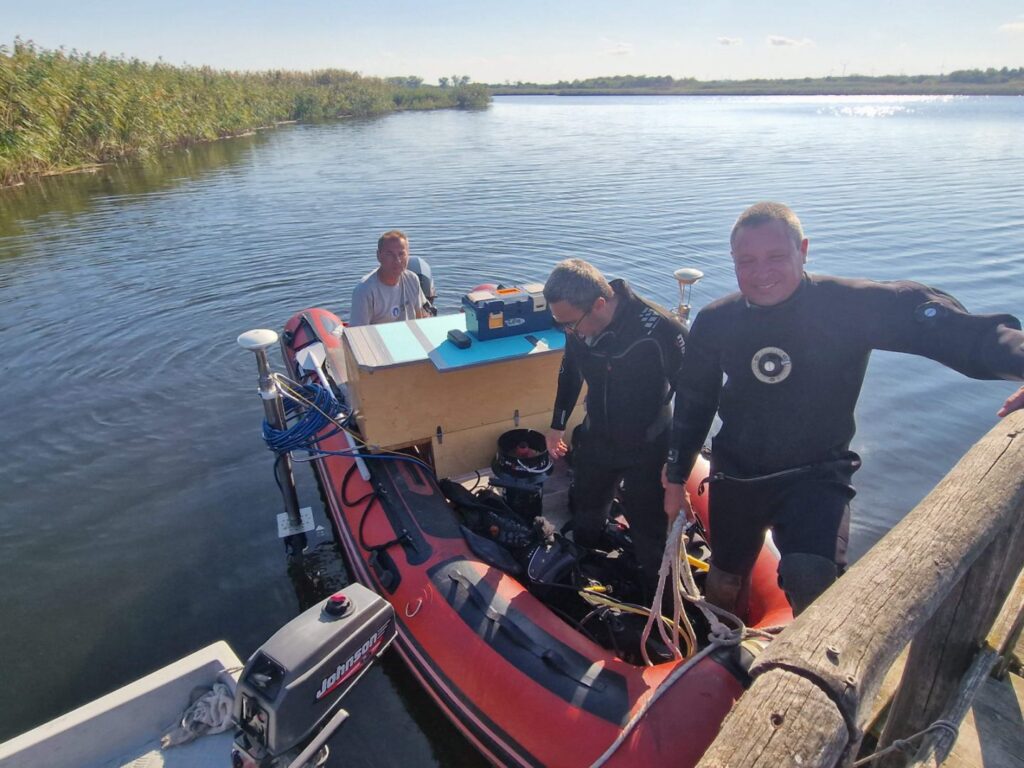
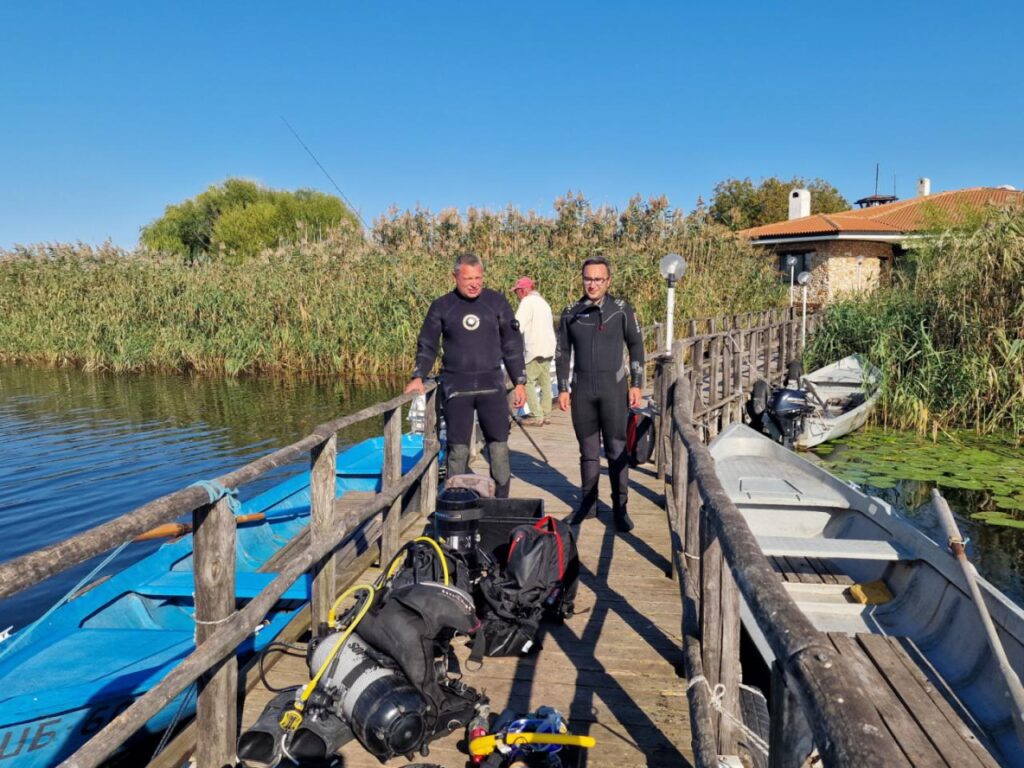
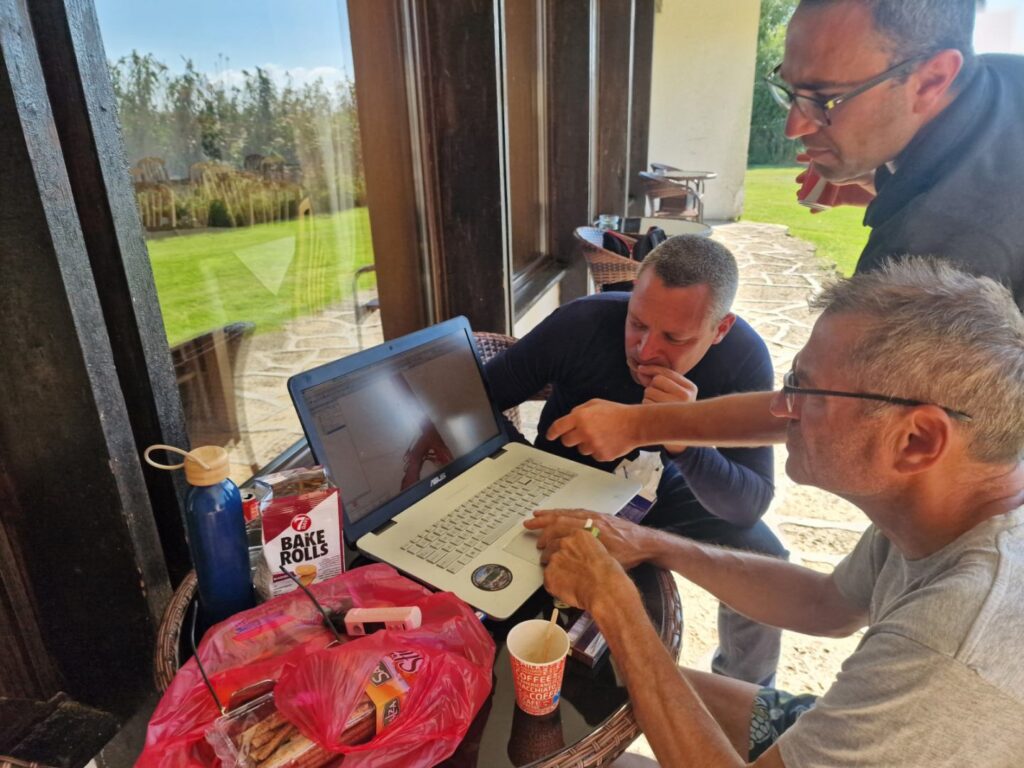
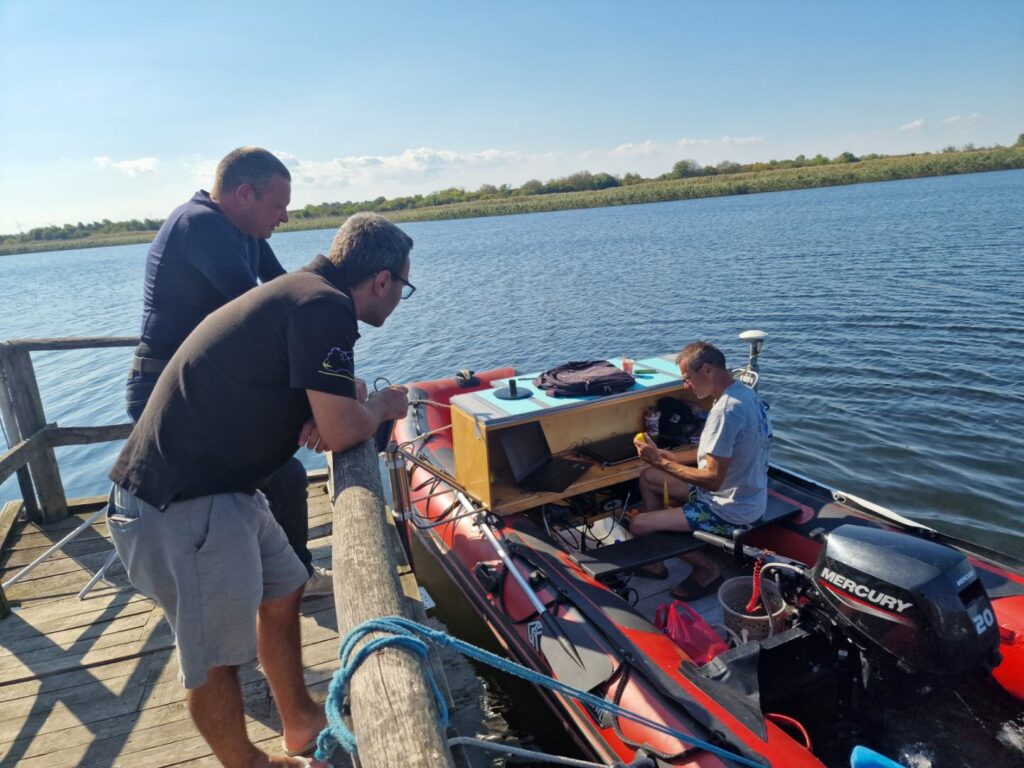
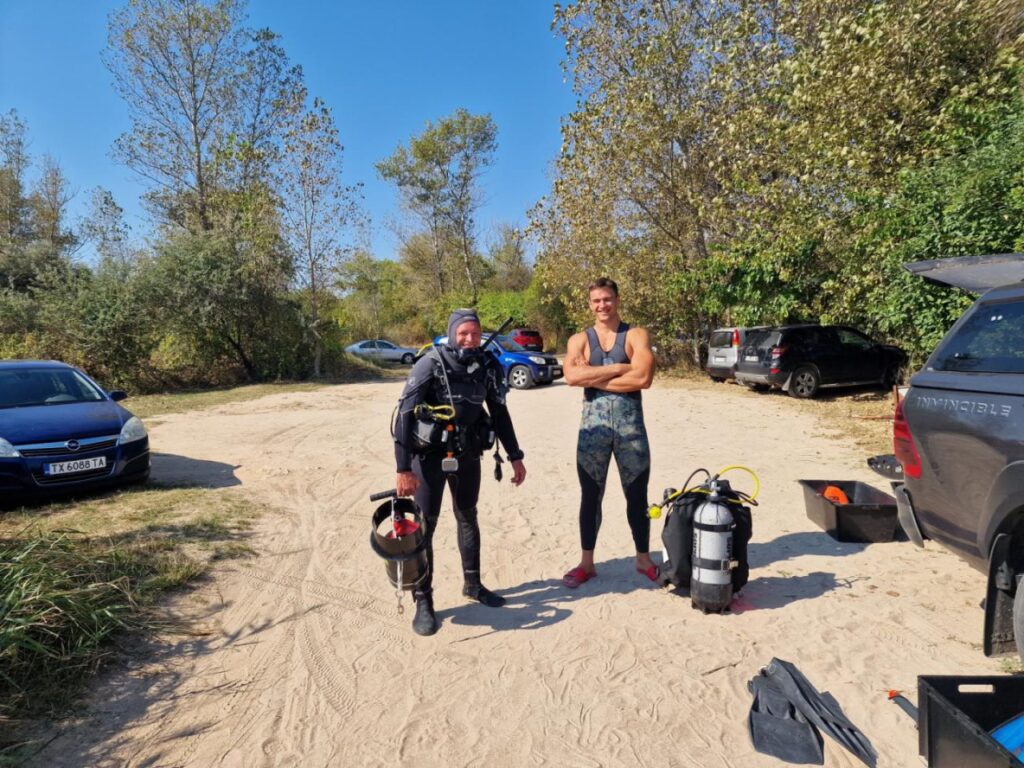
But archaeology along this coast is not carried out by archaeologists alone.
Alongside us are the local divers — people who know the sea, the seabed and its changes, and who are often the first to see what the sea reveals. They understand that what is found is not simply an interesting object, but part of our shared history, which must be studied and preserved.
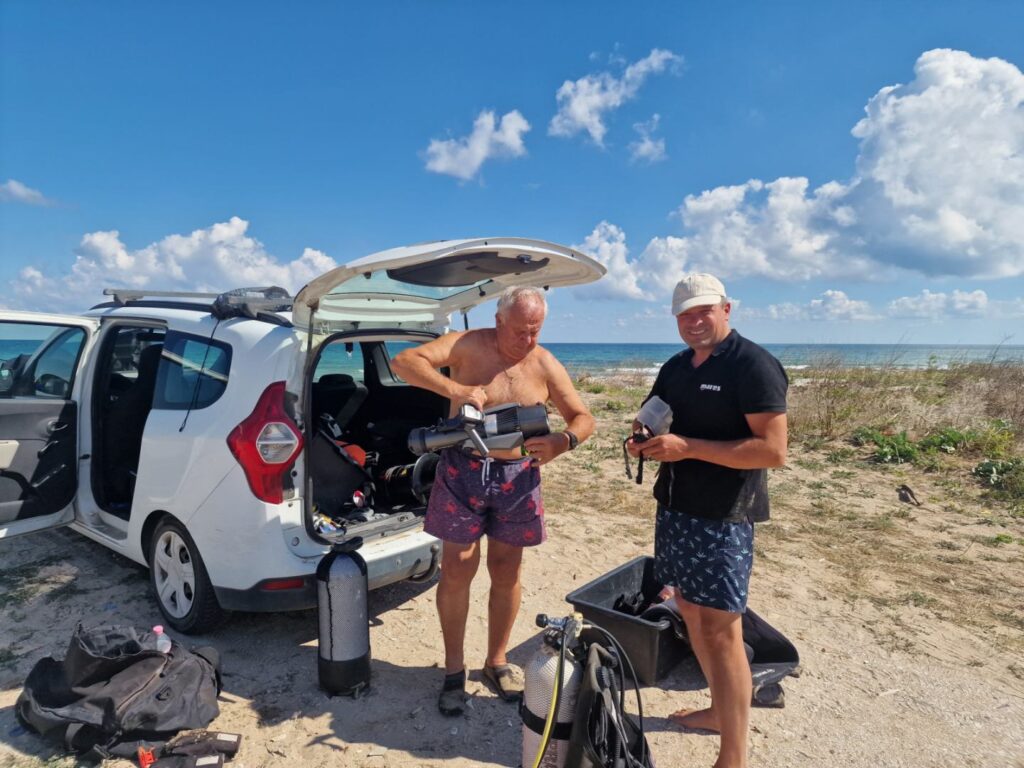
Divers inform us about artefacts and sites, help us reach difficult locations, share knowledge of the sea accumulated over many years, and more than once have contributed their own time, effort and equipment in support of the research.
This partnership is invaluable. The sea is vast, and archaeologists cannot be everywhere. That is why the diving community is our natural partner — our eyes underwater, able to be the first to notice a find, a change or a site at risk, and to share information about it.
The North does not reveal its secrets easily. But when it does, every trace becomes all the more valuable. The trust and partnership between archaeologists and the diving community help us discover, understand and protect our shared cultural heritage together.
To our great satisfaction, this partnership is also developing into other joint educational initiatives with diving clubs and Local Fisheries Action Groups. We will tell you more about these in our upcoming posts.