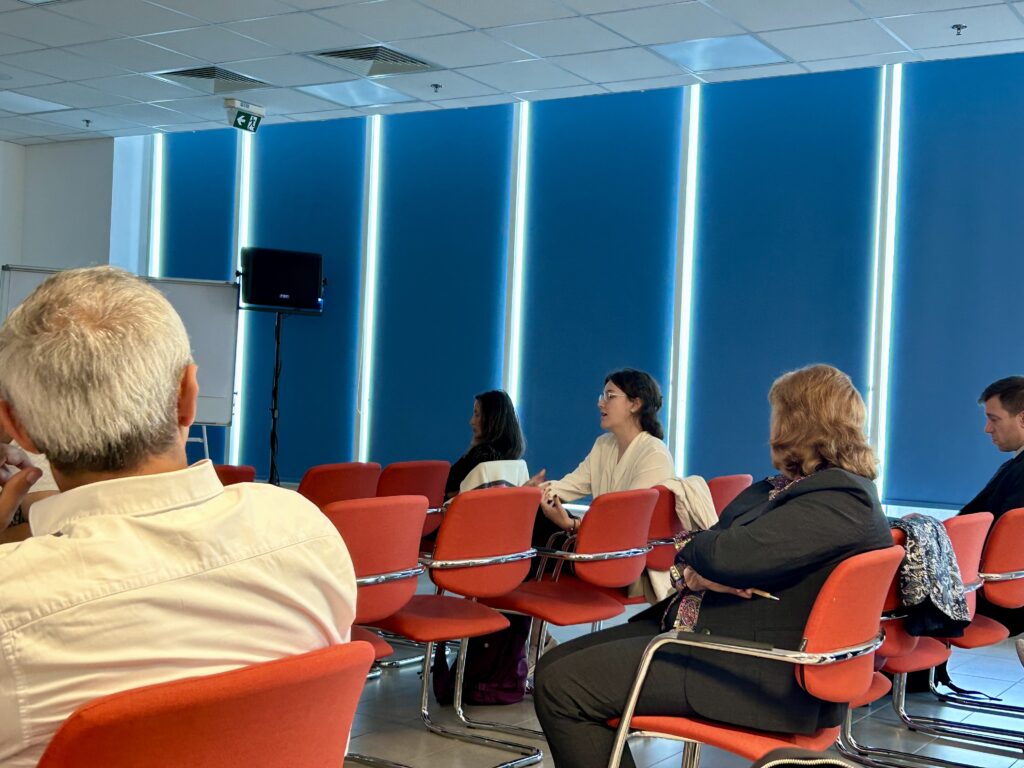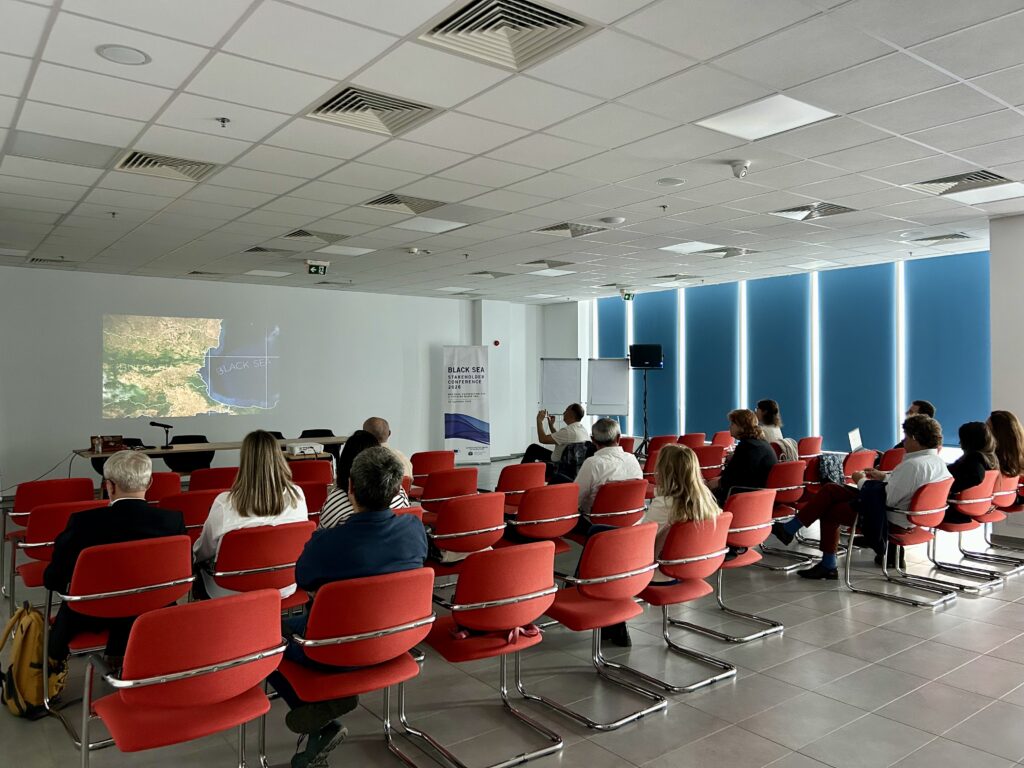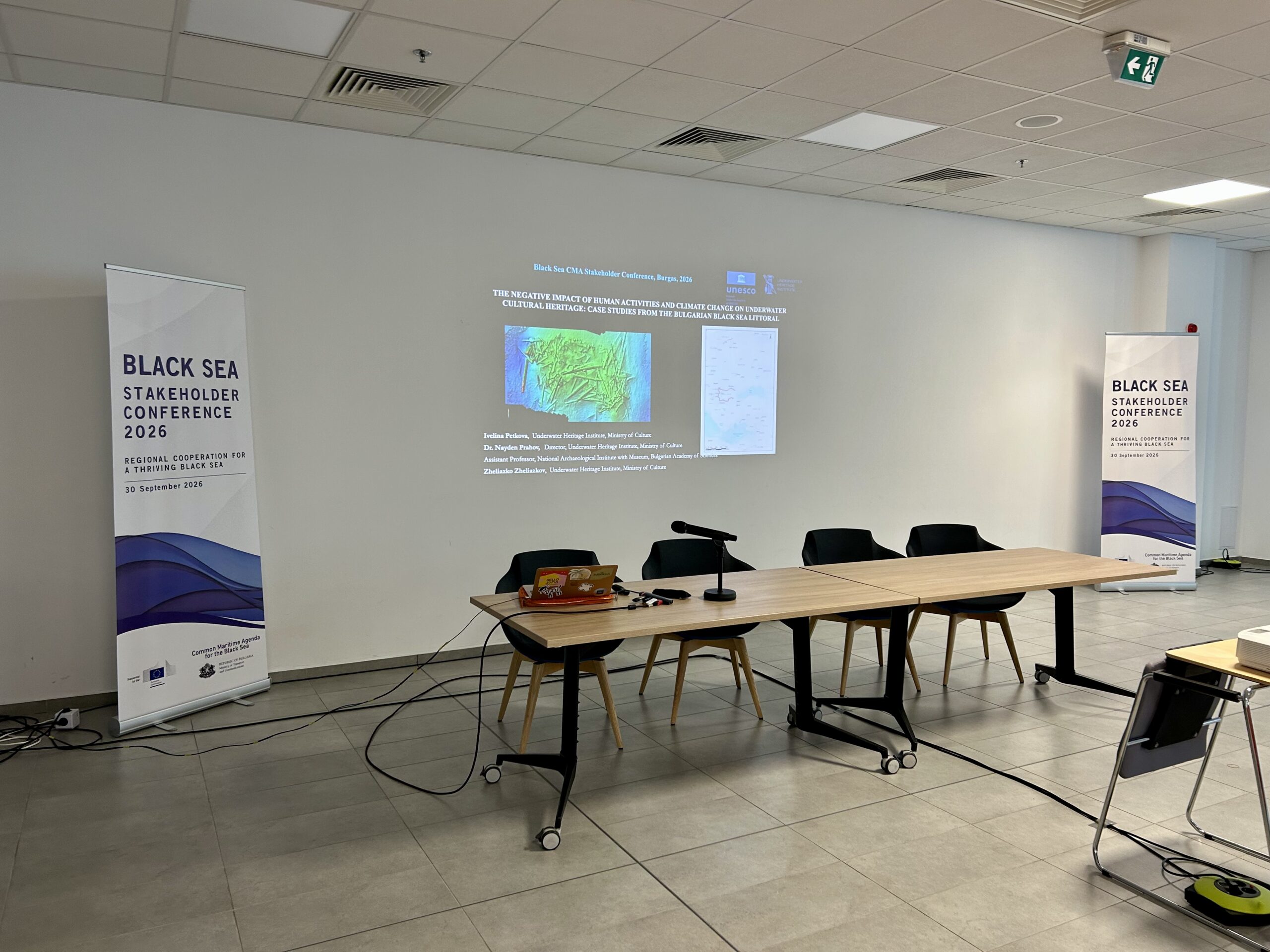
As part of the “Regional Cooperation for a Thriving Black Sea” conference of the Common Maritime Agenda for the Black Sea, held in Burgas, the Underwater Heritage Institute organised the roundtable “Potential of the Underwater Cultural Heritage of the Black Sea.”
The Common Maritime Agenda for the Black Sea is an initiative aimed at strengthening regional cooperation and supporting the development of a sustainable blue economy in the Black Sea region. It brings together the efforts of the Black Sea countries for the better use, protection and management of marine resources, with a strong focus on partnerships between institutions, research organisations, businesses, local communities and experts.
The “Regional Cooperation for a Thriving Black Sea” conference brought together representatives of science, business, investors and experts in Burgas, all committed to the sustainable and competitive future of the Black Sea. The programme included meetings, working groups, discussions, project events and accompanying initiatives in Burgas and Sozopol.
The roundtable on underwater cultural heritage was organised by the Underwater Heritage Institute, in cooperation with the Ministry of Transport and Communications and the Ministry of Culture. It focused on the potential of the underwater cultural heritage of the Black Sea and its connection with sustainable tourism, scientific research, digital technologies, environmental protection and regional development.
During the meeting, an active and constructive discussion took place on the current challenges facing archaeological sites and submerged cultural landscapes in the Black Sea. Among the main topics were climate change, pollution, trawling and other human and natural factors that threaten their condition and long-term preservation.
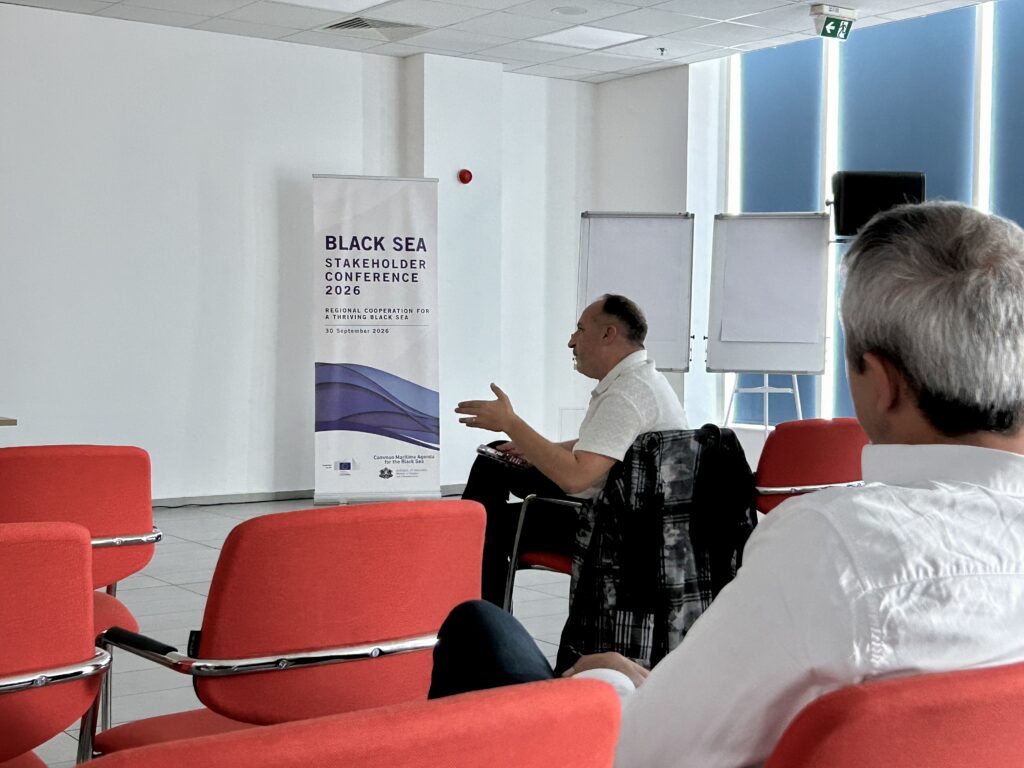
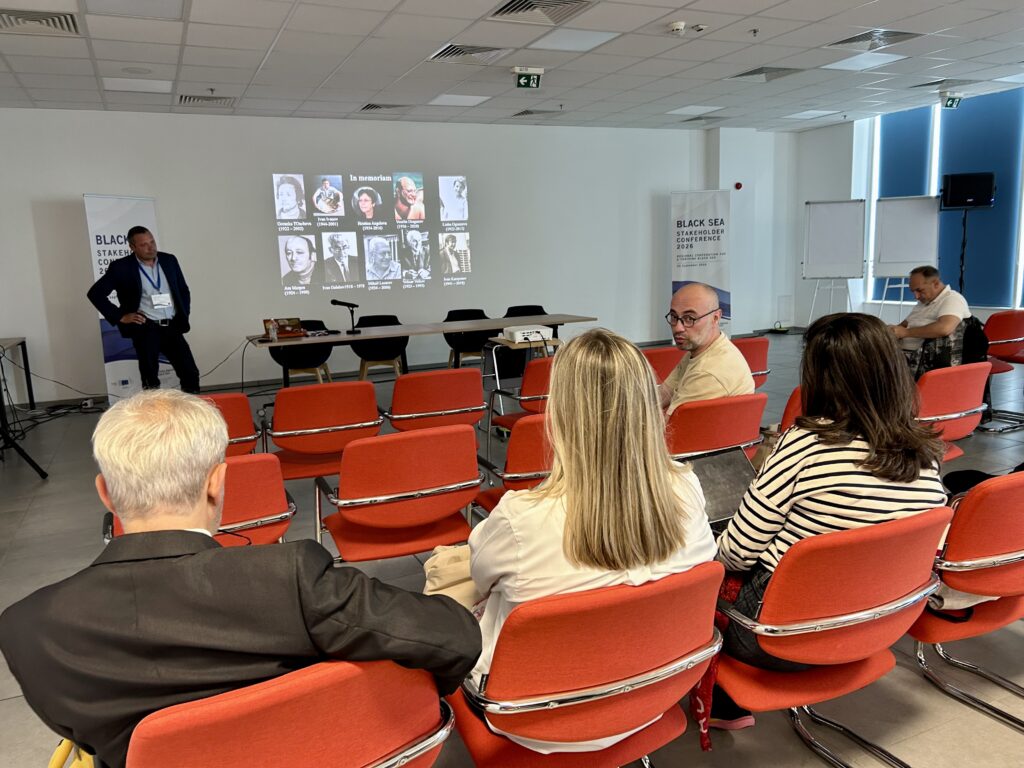
Representatives of the Institute introduced the participants to UHI’s work in the research, documentation, protection and public presentation of underwater heritage. The discussion raised questions about the need for closer cooperation between the Black Sea countries, systematic monitoring of endangered sites, exchange of expertise and the development of sustainable management models.
An important part of the discussion was also dedicated to opportunities for securing international funding for larger-scale projects. Such support could complement national mechanisms and create more opportunities for the implementation of scientific, conservation, training and educational initiatives in the region.
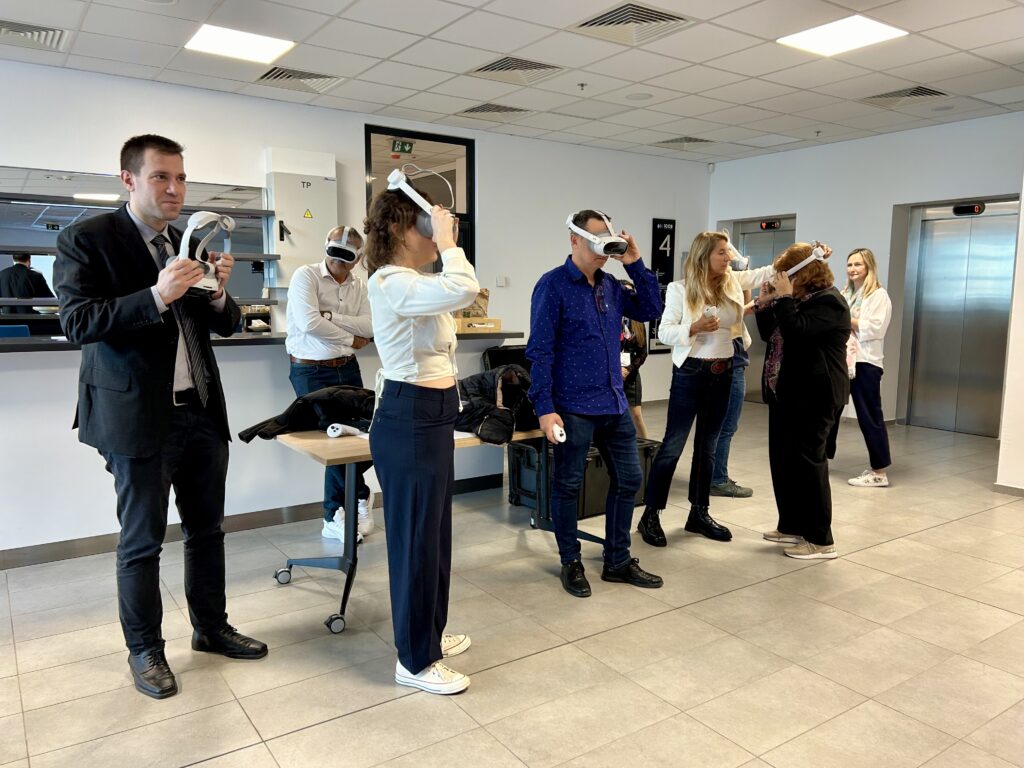
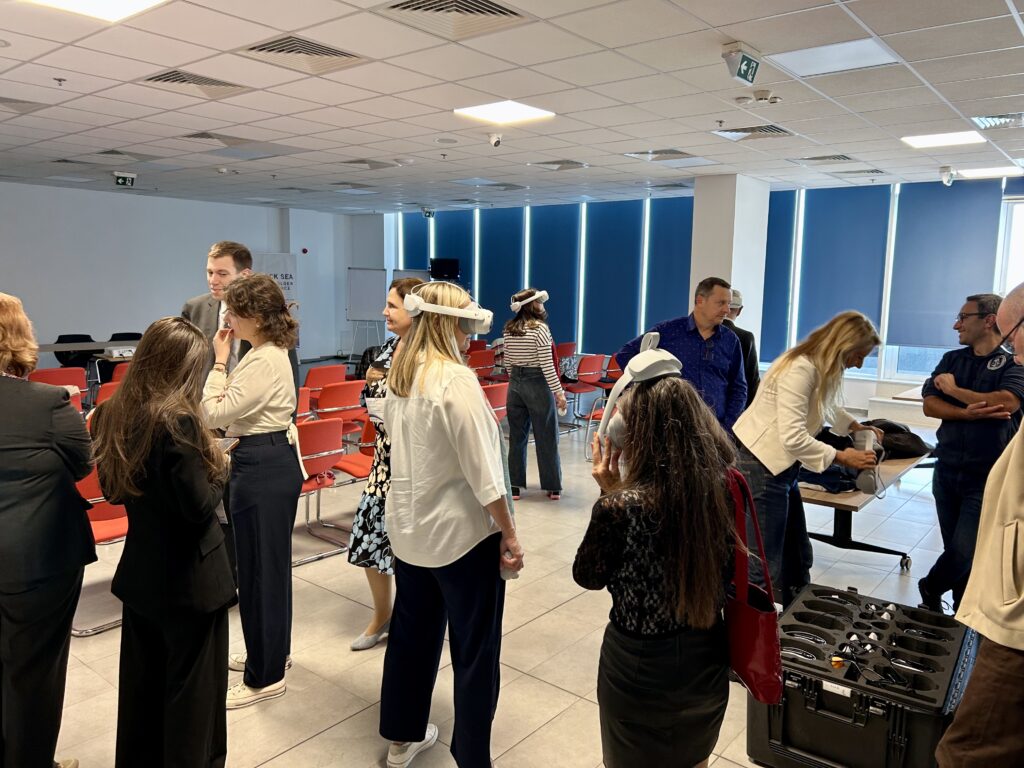
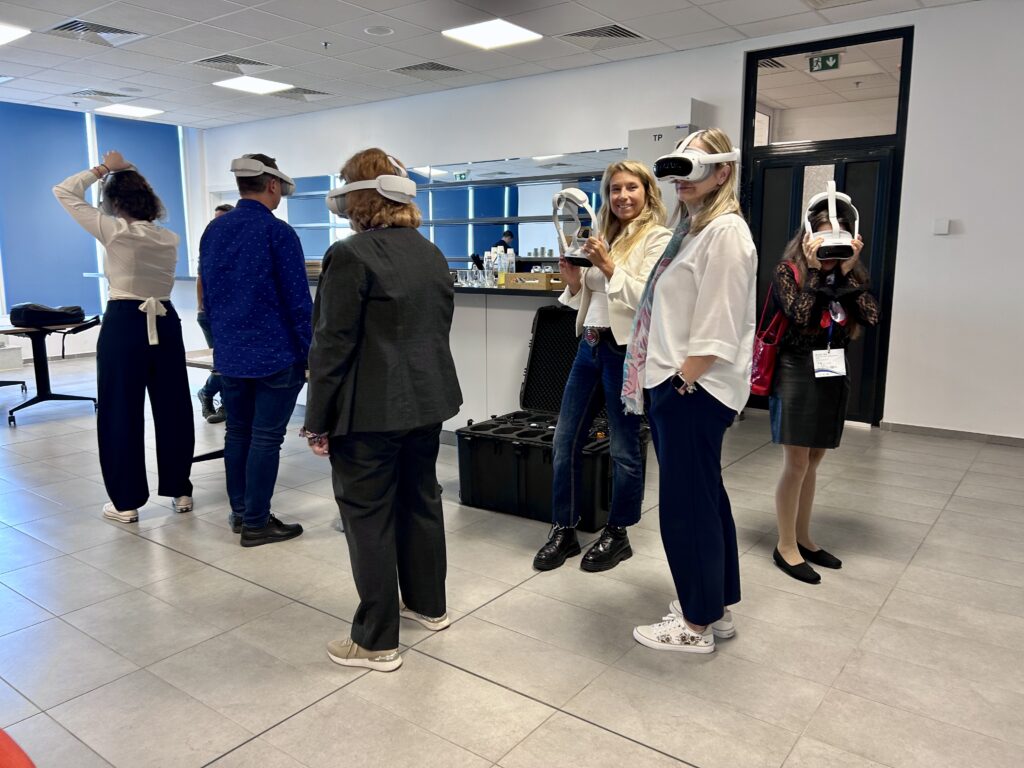
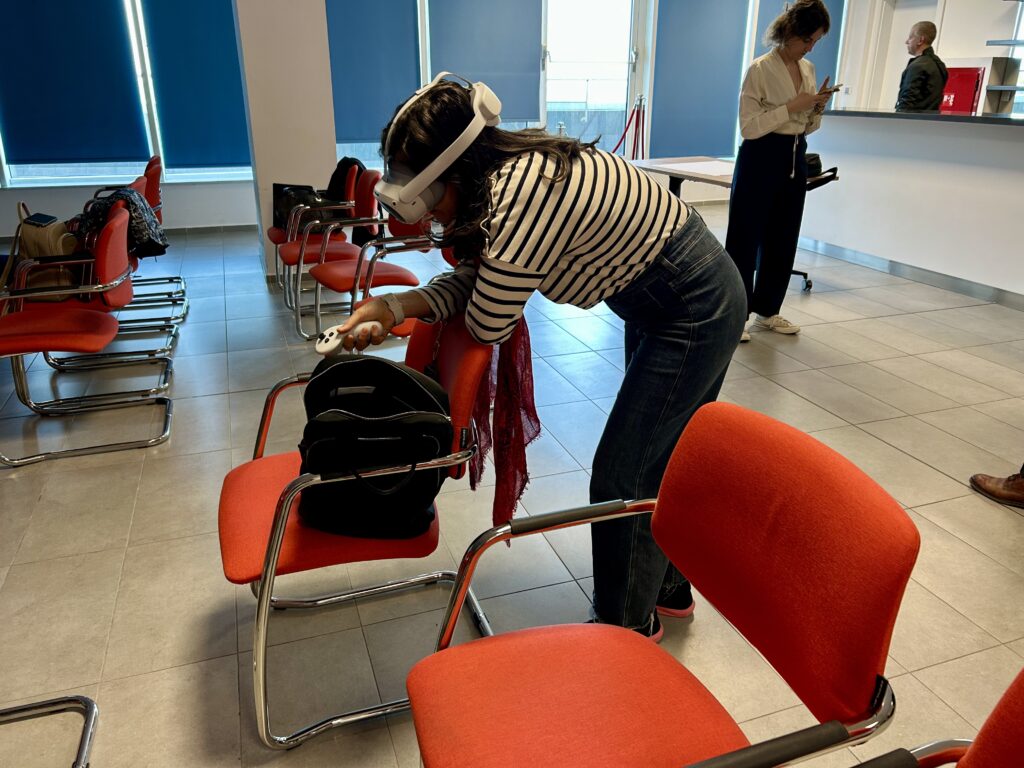
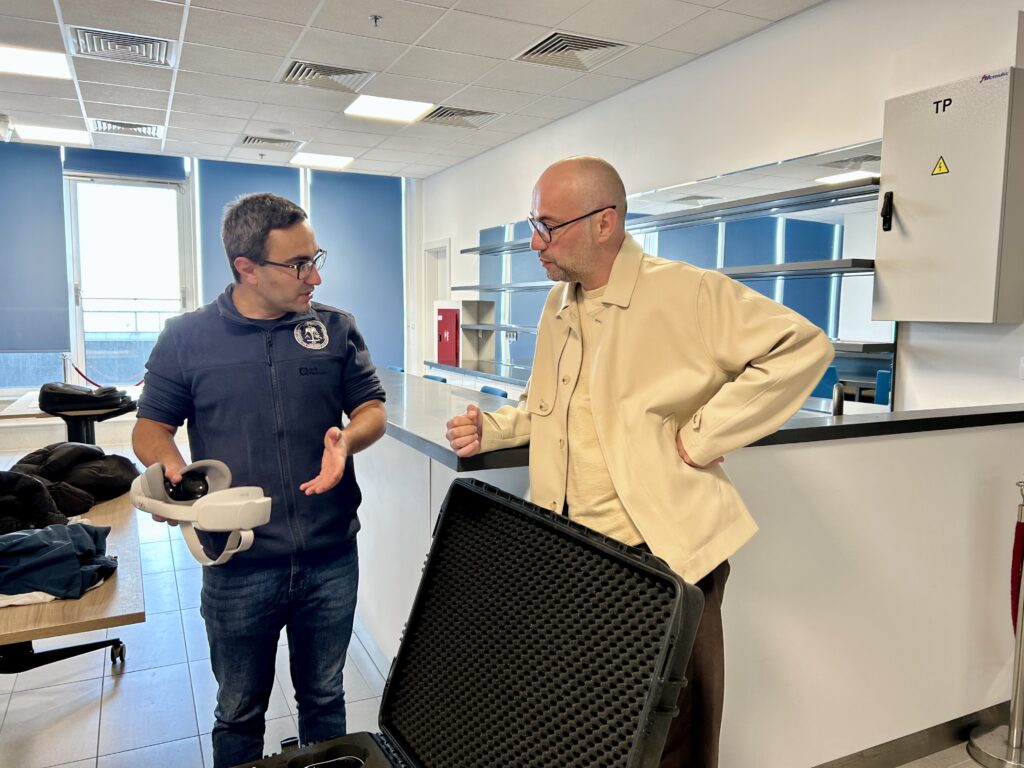
The Institute also presented digital approaches to communicating with the public. Participants had the opportunity to experience a VR tour of the Black Sea seabed, featuring 3D models of real shipwrecks documented during the international Black Sea MAP project. The demonstration generated strong interest and showed the potential of new technologies for scientific work, education and public outreach.
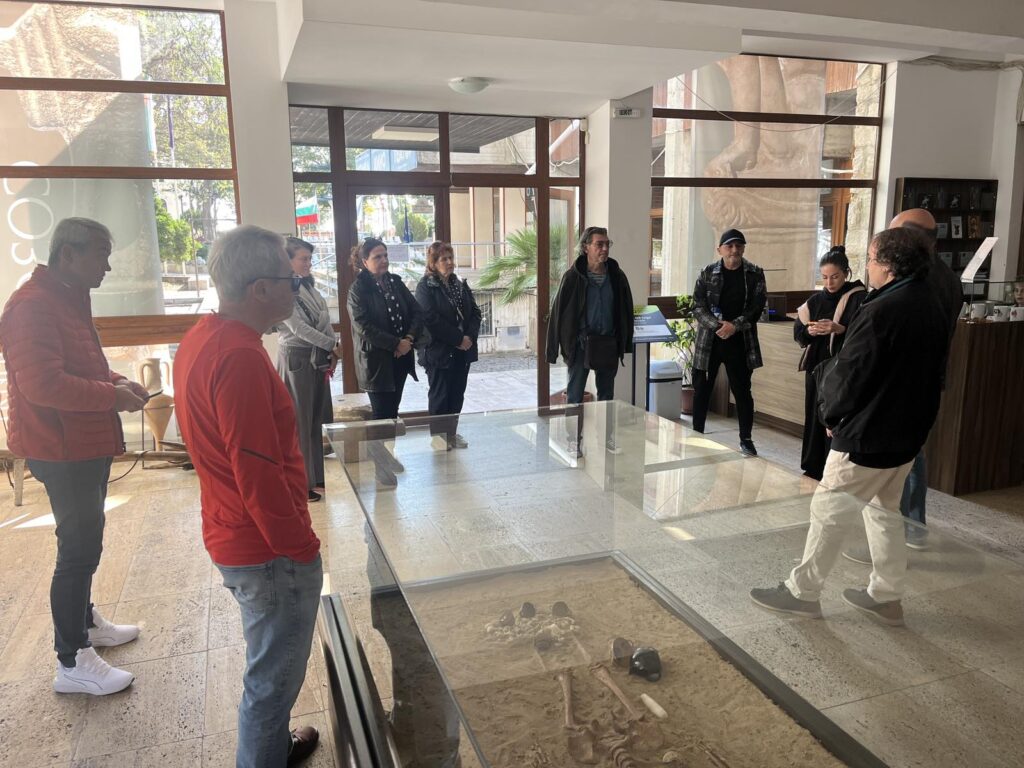
On the following day, the programme continued in Sozopol with a visit to the Archaeological Museum and a guided presentation by its Director, Dimitar Nedev, as well as visits to the Ethnographic Museum and the Old Town.
The roundtable was an important step towards more active dialogue and partnership in the Black Sea region. It showed that the protection of underwater heritage can be connected with sustainable tourism, scientific research, digital technologies, education and international cooperation.